How Kenya Is Reclaiming its Place as the World’s Pyrethrum Capital
Inside the cutting-edge breeding program that’s restoring Kenya’s place at the heart of the world’s organic pesticide industry.
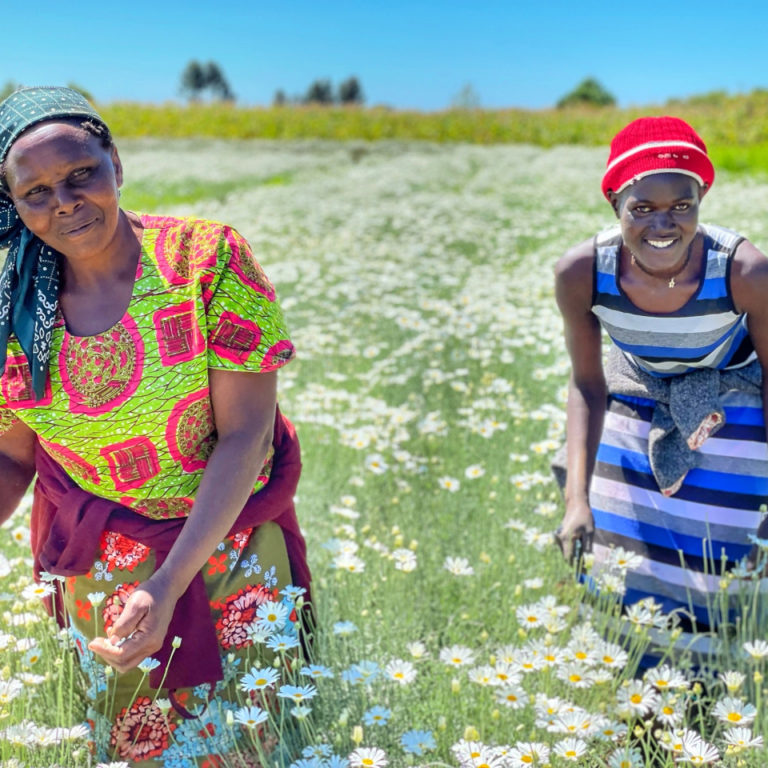
In the iconic Kenya Rift Valley, a small white flower has long held remarkable power. Locally known as “white gold,” pyrethrum produces one of nature’s most effective organic insecticides. For decades, Kenya led the world in growing it. Then the industry fell into decline. Kentegra is changing that, and the science behind our work is worth understanding.
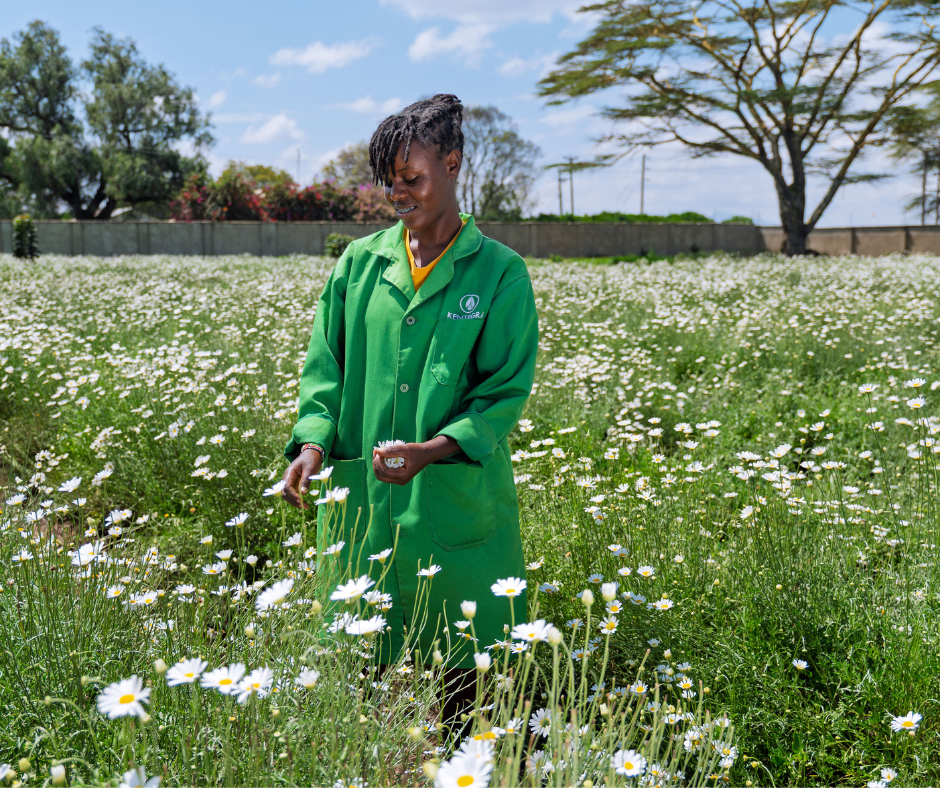
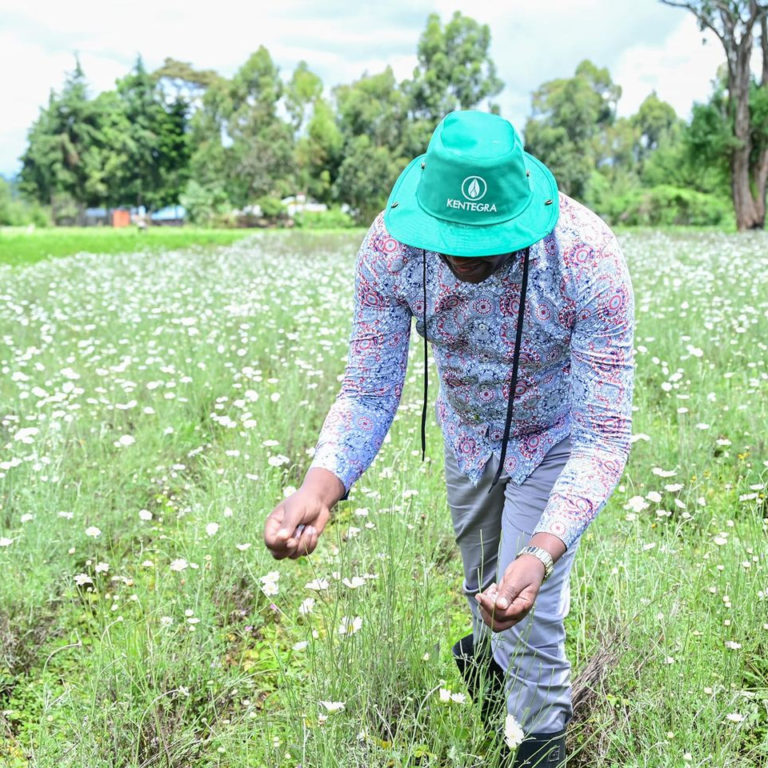
A Kentegra agronomist inspects pyrethrum flowers at the company’s demonstration farm in Naivasha, Kenya. Pyrethrum, a natural and biodegradable insecticide derived from chrysanthemum flowers, is grown by over 20,000 contracted smallholder farmers across Kenya and exported globally. Image ©️ Kentegra Biotechnology.
The challenge
A flower worth saving
Pyrethrum’s pest-killing power comes from compounds called pyrethrins, produced in tiny structures on the flower’s petals. These natural chemicals are lethal to mosquitoes, flies, and agricultural pests, yet they break down harmlessly when exposed to sunlight and air. No toxic residue builds up in soil, food, or homes. For anyone trying to reduce dependence on synthetic pesticides, pyrethrum is one of the most compelling options available.
By the early 2010s, Kenya’s dominance fell, driven by various reasons, including investments into R&D to maximise yields that could meet market demand and compete favourably with synthetics. The crop needed serious, modern investment in genetic improvement. That gap is what Kentegra’s breeding program was built to address.
The science
A genuinely difficult plant to breed
Developing a better pyrethrum plant is far harder than it might sound. The crop cannot pollinate itself nor mate with close relatives without producing seeds that are unviable. Every new plant is a unique genetic combination, which makes it nearly impossible to create the stable “pure lines” that breeders depend on in crops like wheat or maize. For decades, this biological quirk kept pyrethrum genetic improvement slow and limited.
“Pyrethrum’s biology puts it in a category closer to breeding a forest tree than growing a cereal crop, which is exactly why advanced genomic tools change everything.”
Kentegra’s breeders have met this challenge with a method called Reciprocal Recurrent Selection. Rather than working with a single plant population, the program runs two genetically distinct populations in parallel, continually testing crosses between them to find the pairs whose offspring perform well above average. It is painstaking work, but it consistently surfaces plant combinations that would never be found through ordinary observation.
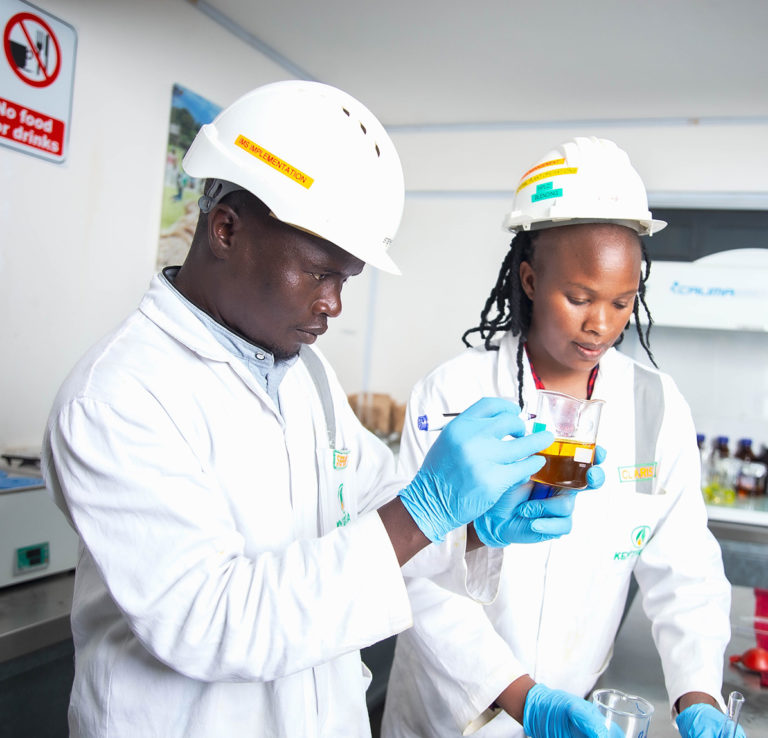
Alongside field-based selection, Kentegra uses Genomic Selection, building dense maps of each plant’s DNA to predict which individuals are likely to be high performers before they’ve even flowered. Machine learning models process this genetic data and flag promising candidates early, cutting down the time breeders would otherwise spend waiting for plants to mature and be measured in the field.
The Result
New varieties built for Kenyan farms
In 2023, Kentegra released four new pyrethrum varieties. Their pyrethrin levels are meaningfully higher than what older Kenyan varieties produced, and they were developed and tested at the elevations and rainfall patterns where Kenyan farmers actually work. The performance data comes from real highland conditions, not controlled greenhouse settings.
A deliberate focus of the program is developing what are called ‘seedling varieties’, grown from seed rather than cloned from parent plants. Seedling varieties cost less to establish and tend to be more vigorous. For smallholder farmers working across varied terrain and soils, accessibility matters. Kentegra uses a polycross mating system, where carefully selected parent plants are grown together in isolated fields and allowed to cross naturally, producing seeds that carry improved genetics into each new generation.
The breeding program also screens specifically for disease resistance. Fungal infections like Fusarium wilt and ray blight have been persistent problems for Kenyan pyrethrum growers. New varieties in development are being evaluated for their ability to resist these diseases, so yield gains are not undermined by crop losses in the field.
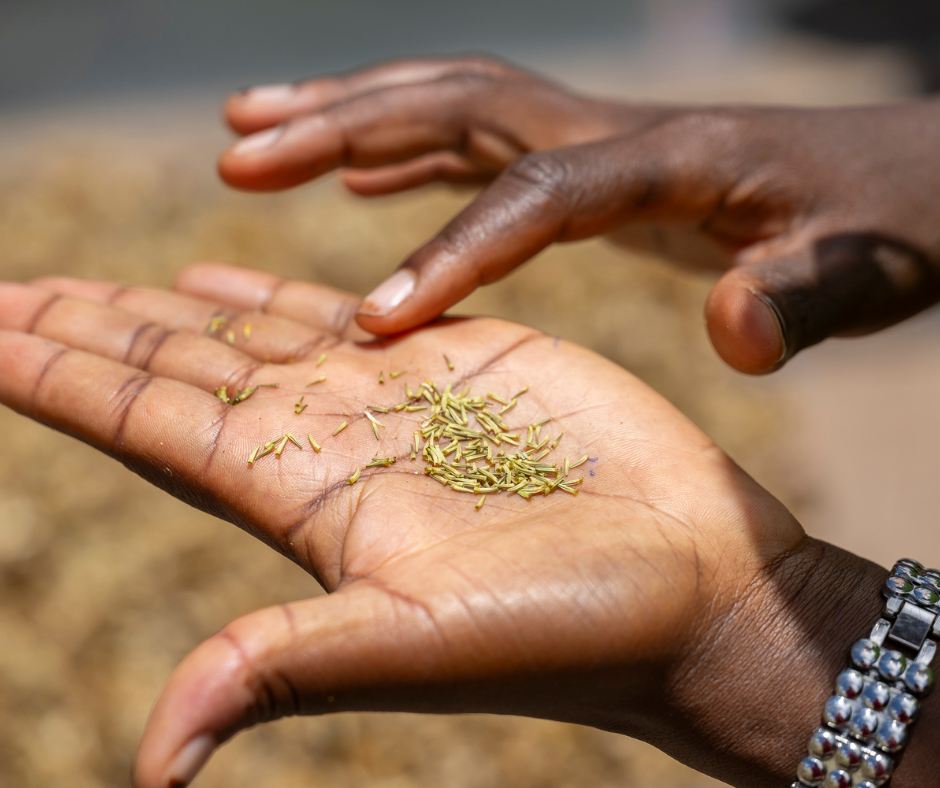
Pyrethrum seeds are inspected at Kentegra’s facility in Kenya. Sourced from elite varieties developed through Kentegra’s proprietary seed programme, these seeds form the foundation of a fully integrated pyrethrum supply chain. Image ©️ Kentegra Biotechnology.
What’s next
Expanding the genetic toolkit
One of the more unusual aspects of Kentegra’s approach is how the program is building genetic diversity from a very narrow starting point. Kenya’s pyrethrum gene pool contracted sharply during the years of industry decline. To broaden it, Kentegra has been using gamma irradiation on existing seed collections, inducing new genetic variation that breeders can then screen and select from. It is a technique borrowed from wider plant science, applied here to a crop that has long been under-resourced.
On the measurement side, near-infrared spectroscopy is being introduced to assess pyrethrin content quickly and cheaply across large numbers of plants. Conventional laboratory analysis is accurate but expensive and slow when screening thousands of breeding candidates. Faster measurement tools mean faster decisions, which means faster progress.
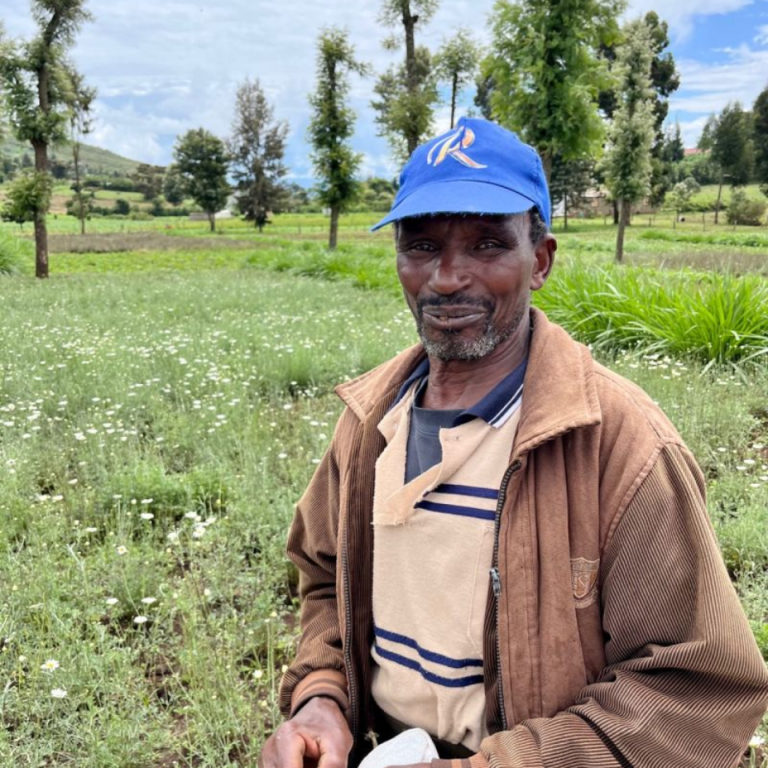
Thousands of farmers are currently registered with Kentegra. The varieties they grow and the income they earn from pyrethrum depend directly on the quality of the science upstream. That connection between lab work and livelihoods is what the breeding program is ultimately about.
Adapted from Abincha, Wilfred, Ochula, Geoffrey, Muriuki, Martin, Unlocking Kenya’s Pyrethrum Potential: A Breeding Review for a Competitive Future, Advances in Agriculture, 2026, 3981617, 13 pages, 2026. https://doi.org/10.1155/aia/3981617